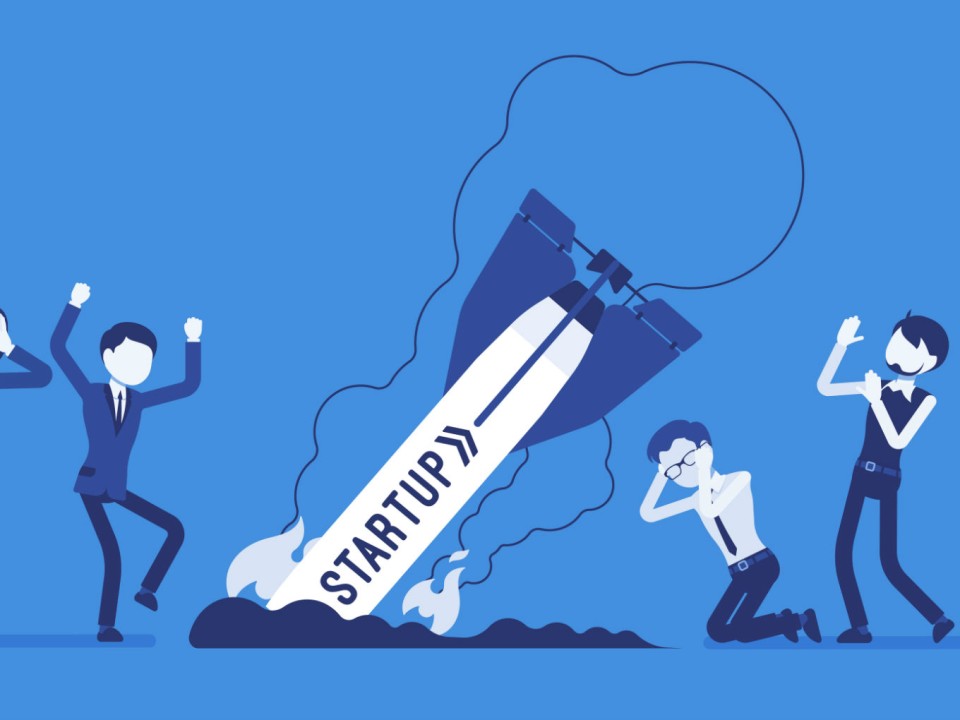
One of the biggest challenges every startup faces is gaining traction. Traction is the measurable evidence that your product is gaining momentum—users are signing up, customers are paying, and people are talking about your solution. Without traction, even the most innovative ideas struggle to survive.
Many startups fail not because the idea is bad, but because early mistakes prevent them from gaining the momentum needed to grow. These mistakes often occur during the early stages when founders are still validating their ideas, building their product, and trying to reach their first customers.
The good news is that most traction-killing mistakes are avoidable. By understanding the most common pitfalls and learning how to prevent them, founders can significantly improve their chances of building a successful startup.
In this article, we’ll explore the most common startup mistakes that kill traction—and practical strategies to avoid them.
1. Building a Product Nobody Really Needs
The most common startup mistake is building something that doesn’t solve a real problem.
Many founders start with a cool idea or a piece of technology rather than focusing on a genuine customer pain point. They spend months developing a product only to discover that people are not interested in using it.
Traction comes from solving meaningful problems.
How to Avoid It
Before building anything, validate the problem:
- Talk to potential users.
- Identify real frustrations.
- Confirm that people are actively looking for solutions.
If people are already spending time or money trying to solve the problem, that’s a strong signal that your startup could gain traction.
2. Waiting Too Long to Launch
Some founders fall into the trap of perfectionism. They keep improving the product, adding features, and refining the design before launching.
This delays real-world feedback.
In many cases, startups spend months building something only to discover after launch that users want something different.
How to Avoid It
Launch early with a Minimum Viable Product (MVP).
Your MVP should:
- Solve one core problem
- Be simple
- Allow users to experience the main value
Early launches provide valuable feedback that helps shape the product.
Remember: progress beats perfection.
3. Trying to Serve Everyone
Another major traction killer is targeting too broad an audience.
When a product tries to serve everyone, it often ends up resonating with no one.
Successful startups typically begin with a narrow niche where the problem is especially painful.
How to Avoid It
Define a very specific target audience.
For example, instead of targeting:
- “Small businesses”
Focus on:
- Shopify store owners
- Freelance designers
- Remote SaaS teams
Once traction is established within a niche, expansion becomes easier.
4. Ignoring Customer Feedback
Some founders become so attached to their vision that they ignore feedback from users.
When customers complain about features, usability, or missing functionality, founders may dismiss the feedback as misunderstanding the product.
But traction depends on alignment with customer needs.
How to Avoid It
Treat customer feedback as a core part of the product development process.
Ask questions such as:
- What frustrates you about the product?
- What feature would make this more useful?
- Why would you stop using it?
Feedback helps uncover opportunities for improvement and innovation.
5. Focusing on Features Instead of Value
Many startups focus heavily on adding features rather than improving the core value of the product.
More features do not necessarily mean more traction.
In fact, feature overload can make products confusing and difficult to use.
How to Avoid It
Focus on delivering one powerful benefit extremely well.
Ask yourself:
- What is the main reason users choose our product?
- How can we improve that experience?
The most successful startups often succeed because they solve a single problem exceptionally well.
6. Poor Distribution Strategy
Even great products fail if nobody knows they exist.
Many founders believe that building a good product automatically leads to growth. In reality, distribution is just as important as product development.
Without a clear strategy to reach users, traction remains limited.
How to Avoid It
Develop a distribution plan early.
Some effective traction channels include:
- Content marketing
- SEO
- Social media communities
- Product launches on platforms like Product Hunt
- Partnerships with influencers or industry leaders
The best startups think about distribution from day one.
7. Ignoring Marketing Until Launch
Some founders postpone marketing efforts until the product is finished.
This is a mistake.
Marketing should start long before launch. Building awareness early helps create anticipation and ensures that users are ready when the product becomes available.
How to Avoid It
Start sharing your journey publicly.
You can:
- Write about the problem you’re solving
- Share product updates
- Publish insights related to your industry
This approach builds an audience and attracts potential early adopters.
8. Not Measuring the Right Metrics
Startups sometimes focus on vanity metrics—numbers that look impressive but do not reflect real progress.
Examples of vanity metrics include:
- Website visits
- Social media likes
- App downloads without active usage
Traction comes from meaningful metrics.
How to Avoid It
Focus on metrics that indicate real engagement:
- Active users
- Customer retention
- Conversion rates
- Revenue growth
These metrics provide a clearer picture of whether the startup is truly gaining momentum.
9. Weak Onboarding Experience
Even if users sign up for your product, poor onboarding can prevent them from experiencing its value.
If users cannot quickly understand how the product helps them, they may abandon it.
First impressions matter.
How to Avoid It
Create a simple and effective onboarding process:
- Guide users through the core feature
- Highlight the main value quickly
- Reduce unnecessary steps
The faster users reach the “aha moment,” the more likely they are to stay.
10. Ignoring Retention
Acquiring users is important, but retention is what drives sustainable traction.
Some startups focus heavily on user acquisition but fail to keep users engaged over time.
If customers stop using the product shortly after joining, growth becomes unsustainable.
How to Avoid It
Focus on delivering continuous value.
Strategies include:
- Improving the core product experience
- Sending helpful updates and tips
- Introducing features that encourage repeated use
High retention rates often indicate strong product-market fit.
11. Scaling Too Early
Some startups try to scale aggressively before validating their product.
They invest in advertising, hire large teams, or expand into new markets without first confirming that the product works well for a core audience.
This can drain resources quickly.
How to Avoid It
Focus on small, repeatable success first.
Make sure that:
- Users love the product
- Retention is strong
- Growth happens organically
Once these signals appear, scaling becomes much more effective.
12. Lack of Clear Messaging
If users cannot quickly understand what your product does, traction will suffer.
Confusing messaging often occurs when startups try to explain too many features or benefits at once.
How to Avoid It
Create a simple and clear value proposition.
A strong message answers three questions:
- What does the product do?
- Who is it for?
- Why is it better than alternatives?
Clarity helps users quickly recognize whether your product is relevant to them.
13. Failing to Build Trust
Trust is critical for traction, especially in the early stages.
Users may hesitate to try a new product if they are unsure about its reliability, security, or credibility.
How to Avoid It
Build trust through:
- Testimonials
- Case studies
- Transparent communication
- Strong customer support
Social proof can significantly increase user confidence.
14. Giving Up Too Early
Startups rarely achieve traction overnight.
Many successful companies experienced slow growth in the beginning before reaching a tipping point.
Founders who give up too early may miss the opportunity to refine their product and find the right audience.
How to Avoid It
Stay patient but data-driven.
Continue experimenting with:
- Different audiences
- New distribution channels
- Product improvements
Traction often emerges after several iterations.
Traction is the lifeblood of every startup. Without it, even the most promising ideas struggle to survive. The early stages of building a startup are filled with uncertainty, experimentation, and constant learning.
Fortunately, many of the mistakes that prevent traction are predictable and avoidable.
By focusing on real customer problems, launching early, targeting a specific audience, and continuously learning from feedback, founders can create products that resonate with users.
Remember that traction is not just about growth—it’s about building something people truly value.
Startups that listen carefully to their users, iterate quickly, and remain flexible are the ones most likely to transform early momentum into long-term success.